
4/05/2026
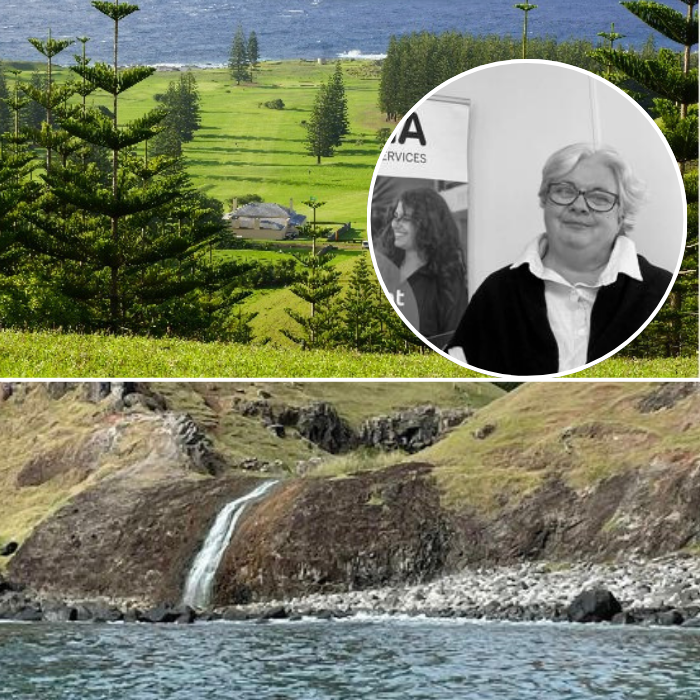
Annie Kenny AIEP is a Team Leader at Asuria, based on Norfolk Island, where she works one-on-one with individuals navigating complex barriers to employment, from health challenges and disability through to confidence and social isolation. In a close-knit remote community where employment services are deeply relational rather than transactional, Annie’s work demands both empathy and expertise in equal measure.
To sharpen her practice, Annie enrolled in the IEP Learning Academy’s Supporting Complex Barriers programme, a course purpose-designed for frontline practitioners working with people facing multiple, intersecting challenges. Delivered across four live sessions and grounded in trauma-aware, person-centred and strengths-based approaches, the programme equips workers with practical, immediately applicable strategies for navigating complexity with confidence.
We sat down with Annie to hear about her experience on the programme, the insights she’s taken back to her practice, and what drives her passion for employability work.

Tell us about your current role and the work you do
I work as an Employability Professional with Asuria on Norfolk Island, where I support participants to find and maintain meaningful employment. My role is highly varied and deeply relational. I work one-on-one with individuals navigating complex barriers. These can include health challenges, disability, confidence, or social isolation, while also engaging closely with local employers and community stakeholders.
On a small island, employment services are not transactional; they are community driven. I spend time understanding each participant’s strengths, their story, and their connection to place, and then help them translate that into sustainable work opportunities. Alongside this, I support vocational training pathways, including assisting participants to access off-island education through the NIESP – VET Financial Assistance Scheme.
What motivated you to enrol in this IEP Learning programme?
My motivation came from a desire to deepen my practice, particularly in supporting people with complex and layered barriers. While experience teaches you a great deal, I wanted to ensure my approach remained evidence-based, person-centred, and aligned with best practice across the employment sector.
The Supporting People with Complex Barriers programme offered a structured opportunity to reflect on what I do, why I do it, and how I can do it better. It also provided a chance to step outside the day-to-day demands of the role and invest in my own professional growth.

Can you share some examples of how the skills you’ve gained from the programme have been valuable in your work?
The programme has strengthened my use of practical strategies such as boundaries, tailored support, contracting, reflective practice, and building self-efficacy. For example, I now approach conversations with more intentional communication, which has helped participants feel supported. Motivational Interviewing techniques, particularly reflective listening and eliciting change talk, have been invaluable when working with participants who feel stuck or uncertain.
I’ve also become more deliberate in building self-efficacy – helping participants recognise their own capabilities rather than relying solely on external encouragement. This shift has led to more sustainable outcomes, as participants begin to take ownership of their journey and progress.
Has your journey on the programme helped you learn things about yourself? If so, how?
Yes, it has reinforced the importance of reflective practice. I’ve become more aware of my own communication style and the impact it has on others. It has also highlighted the need to balance empathy with structure, supporting participants without overstepping or creating dependency. Importantly, it has reminded me that growth is ongoing. Even with years of experience, there is always more to learn, refine, and improve.
What would you say to someone considering enrolling in this programme to encourage them to do so?
I would strongly encourage them to take the opportunity. The programme is practical, relevant, and immediately applicable to frontline work. It provides tools and strategies that can be used straight away, as well as space to reflect on your own practice in a meaningful way. It’s not just about gaining knowledge but it’s about improving the quality of support we provide to participants.
What does being part of the IEP community mean to you, and how has it supported your journey so far?
Being part of the IEP community creates a sense of connection to a broader professional network. Working in a remote location can sometimes feel isolated, so having access to shared knowledge, ideas, and experiences is incredibly valuable. It reinforces that the challenges we face are not unique, and that there are collective solutions and shared learning across the sector.
Why do you think professional development is so important in our sector?
Our sector works with people at critical points in their lives. The quality of our support can directly influence someone’s confidence, direction, and future opportunities. Professional development ensures we remain informed, current, responsive, and effective. It also helps us adapt to changing policy environments, labour markets, and participant needs. Without ongoing learning, it is easy to rely on outdated approaches that may no longer serve the people we support.
What does being an employability professional mean to you personally?
To me, it means being both a coach and an advocate. It’s about recognising potential in people, often at times when they cannot see it themselves, and helping them take practical steps toward a better future. It’s also about understanding that employment is more than a job; it is linked to identity, purpose, and connection within a community.
What would you say to someone considering a career in employability – and what keeps you passionate about the work you do?
I would say it is a deeply rewarding career, but one that requires patience, empathy, and resilience. You need to be comfortable working with uncertainty and complexity, and willing to meet people where they are. What keeps me passionate is seeing change, sometimes small, sometimes significant. Whether it’s a participant gaining confidence, completing training, or securing employment, those moments reinforce the value of the work.
Anything else you would like to add?
Working on Norfolk Island has highlighted the importance of community in employability. Outcomes are not achieved in isolation. They come from collaboration between participants, employers, and local organisations.
This programme has strengthened my ability to contribute to that ecosystem, and I look forward to continuing to build on these skills to support both individuals and the wider community.
Ready to build your capability in supporting people with complex barriers?
The IEP Learning Academy’s Supporting Complex Barriers programme offers frontline practitioners practical, evidence-based tools and strategies that can be applied immediately in their work. Delivered across four live two-hour sessions, the course covers trauma-aware, person-centred and strengths-based approaches, giving learners the confidence and clarity to support people facing multiple, intersecting barriers to employment.
Intakes for May, June, July are now open for registration.